

When Young Voices Are Heard
It is a beautiful thing when young voices not only arrive, but are recognised. A poem can begin as a private thought, a difficult feeling, a bright image or a question waiting for language. When it is welcomed, heard and shared, it can become something larger: a contribution to public imagination.
I was thrilled to support the Young Poet Laureate programme as a regional poet and mentor, joining young writers on their journey to find language for their lived experiences, imagination and hope.
Working alongside the National Poetry Centre and National Literacy Trust opened new pathways for creativity, literacy and belonging for young people across our regions.
Poetry as a place of arrival
Young people are often spoken about, assessed, categorised or asked to fit into systems created around them. Poetry offers something different: a space where they can speak from themselves.
It does not demand a perfect answer. It can hold uncertainty, joy, anger, memory, humour, grief, fantasy, identity and hope. It can be bold, quiet, funny, fierce, tender or unfinished.
What matters is that the young person’s words are met with attention and respect. That is where confidence begins to grow.
More than a competition
The Young Poet Laureate programme recognises that poetry is an accessible, diverse and powerful form of expression.
It makes poetry visible in schools and communities, helping children and young people develop literacy, creativity and confidence while showing them that their stories, images and observations have value.
For me, it was an honour to stand alongside young writers as they began to understand that poetry is not somewhere they have to earn a place. Poetry already belongs to them.
Every young writer who submits a poem is already a poetry ambassador—carrying their words into classrooms, communities and futures.
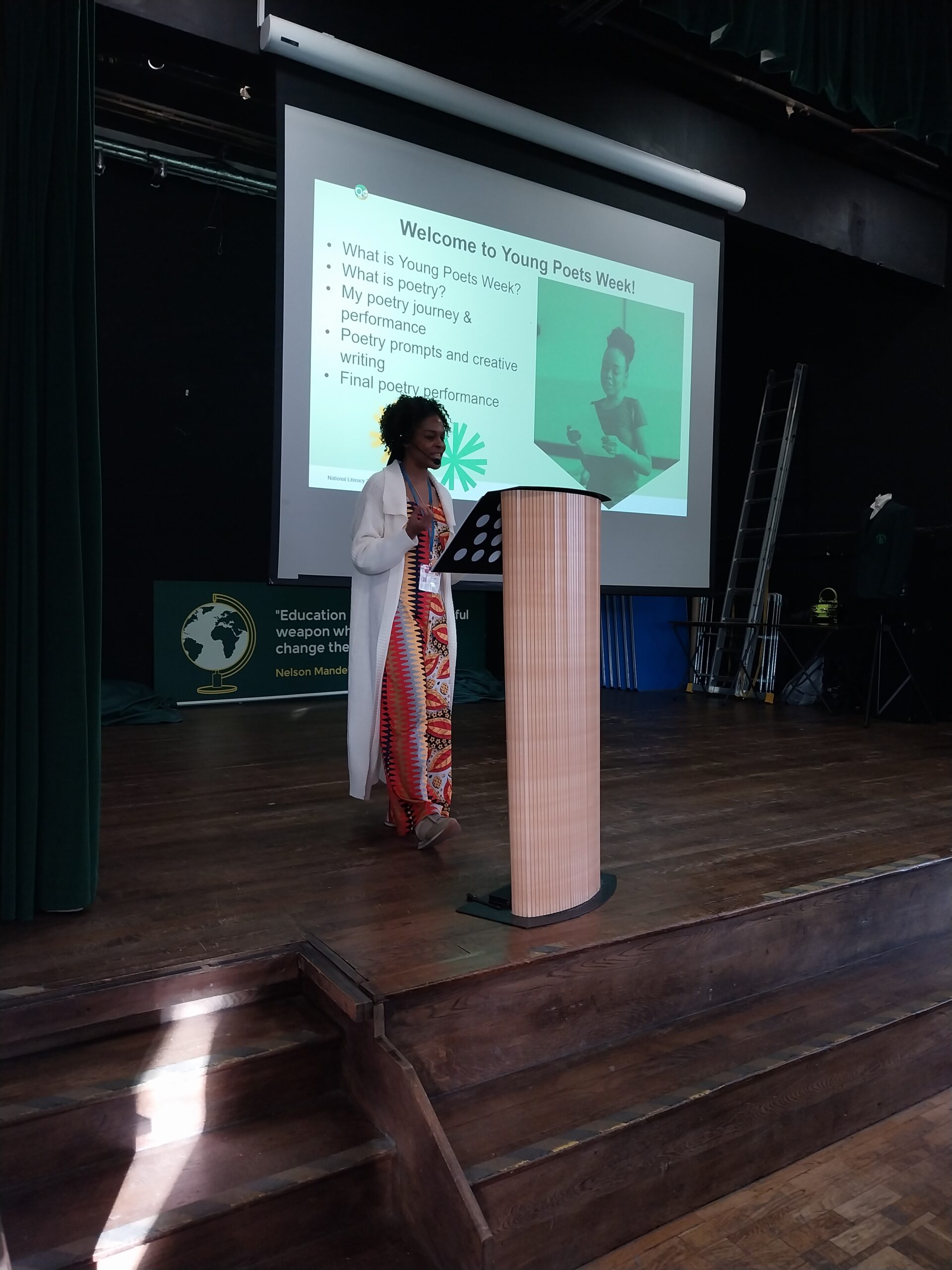
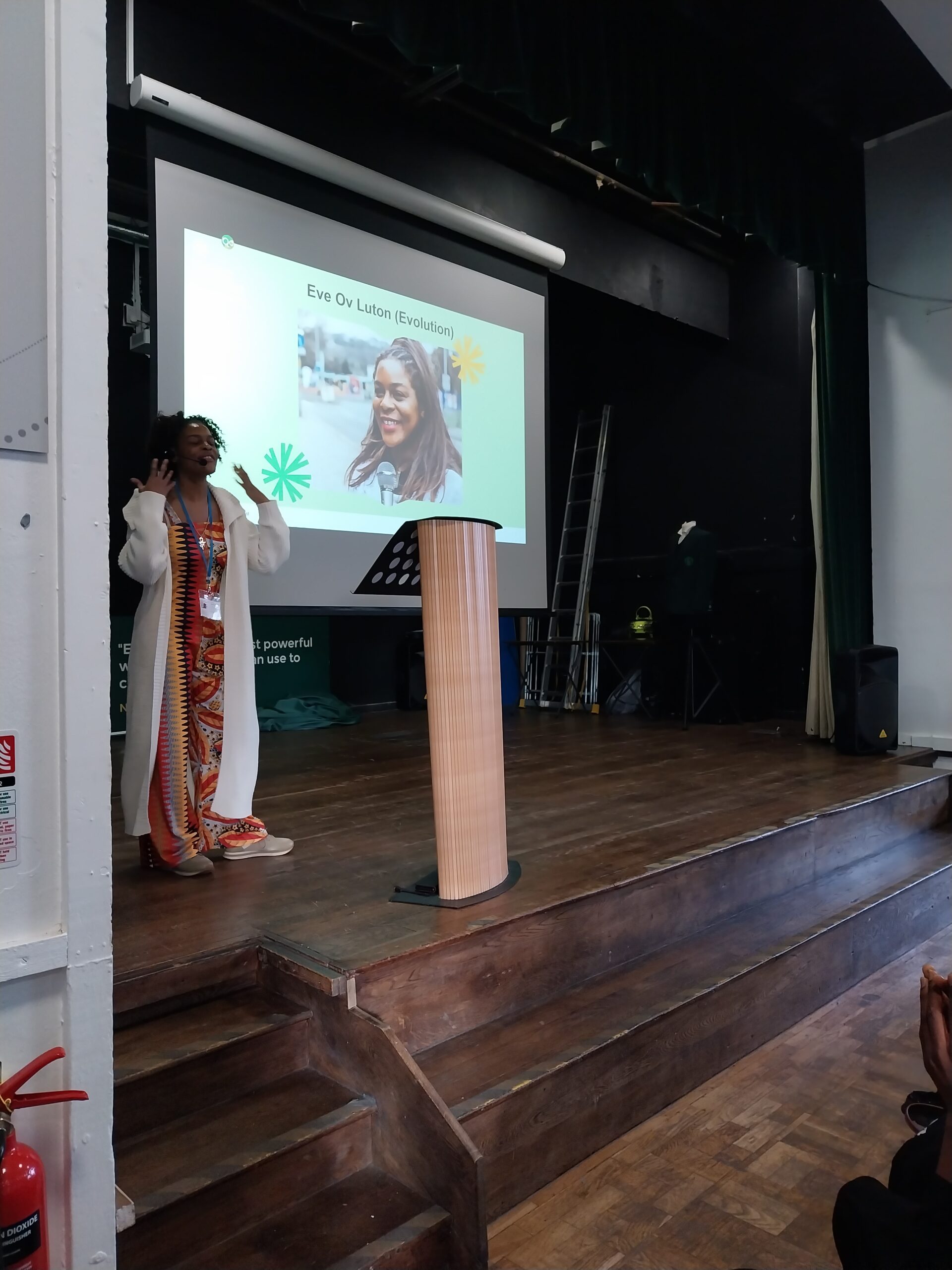
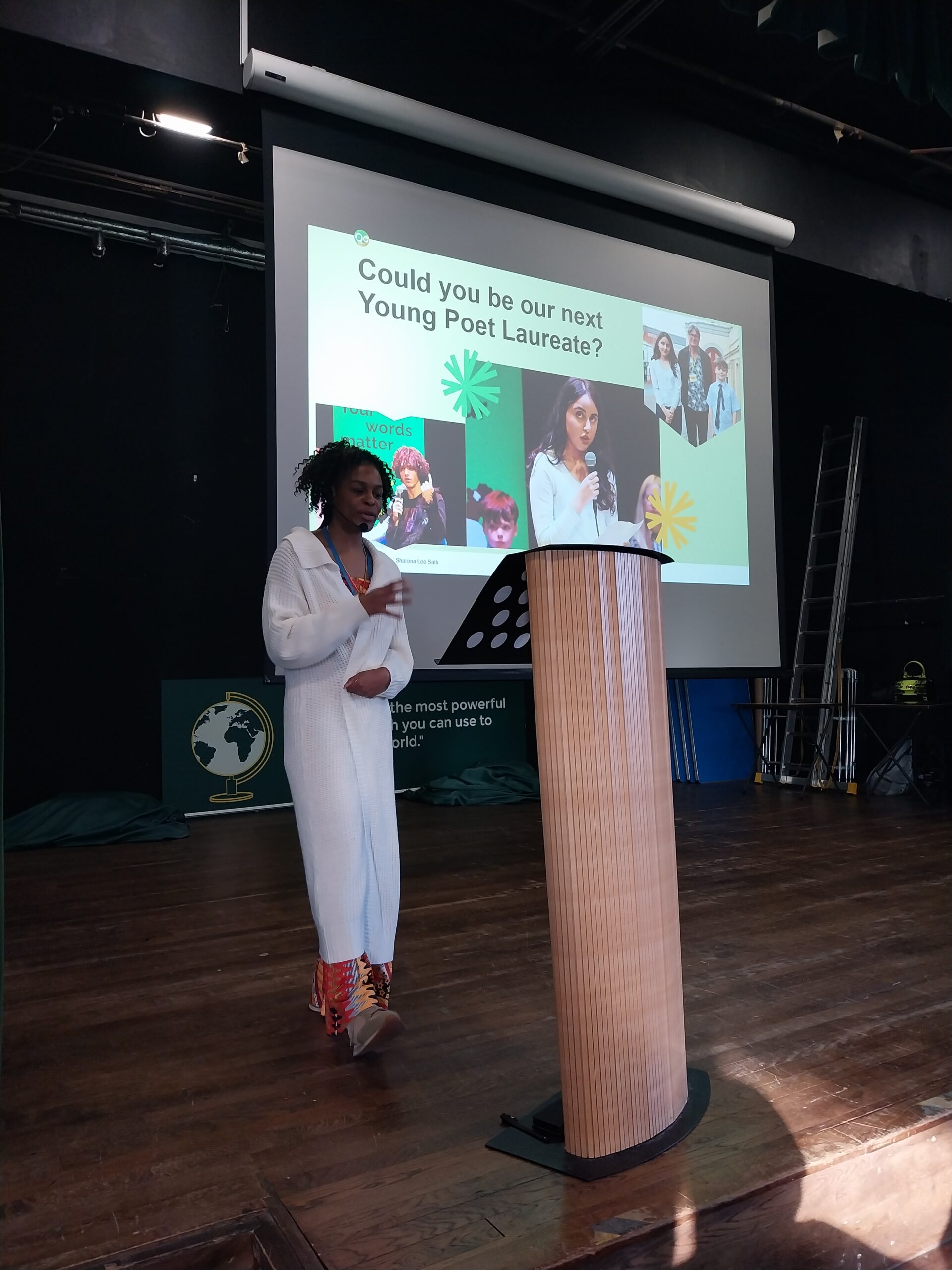
Young Poets Week reflectionWalking alongside a young writer
Mentoring is not about giving a young person the “right” words. It is about helping them trust the words that are already beginning to gather.
Sometimes that means offering a prompt. Sometimes it means listening. Sometimes it means noticing the image in a line, the power in a question or the strength in a voice that may not yet know how much it has to say.
The work is to make a creative space where young people can experiment without fear of getting it wrong.
Language for lived experience
Across my work through Words Chose Me, Nine Red, Poetry E.Motion and community poetry projects, I return to the same belief: language can help people find themselves.
For young people, poetry can offer language for things they may not yet be able to explain directly: the feeling of home, the pressure of school, love for a grandparent, fear about the future, friendship, culture, the body, identity or the desire to be seen.
Poetry does not reduce a young person to a label or a mark. It gives them room to be complex, imaginative and fully human.
Writing, sharing and becoming
These moments hold some of what matters most to me about this work: young people being given time, attention, encouragement and permission to let their words take shape.
When a poem leaves the page
A young person’s poem does not end when they put down the pen. When it is read, performed, published or shared with another person, it begins a new relationship with the world.
The reader becomes a witness. A classroom becomes an audience. A school becomes a place where different ways of seeing can be welcomed.
This is why anthologies matter. They say: these words were written; these voices were heard; this generation has something to tell us.
A record of possibility
The Young Poet Laureate anthology is more than a collection of poems. It is a record of imagination, courage and emerging public voice.
For every selected Poet Laureate, there are many more young writers whose work has helped build the energy of this national movement.
“A poem can say: I am here. This is how I see. This is what I imagine. This is what I hope.”
Keep carrying your words forward
Congratulations to the Young Poet Laureates and to every young writer who participated, submitted, shared and found the courage to place words on a page.
Your poems matter. Your language matters. Your imagination matters. The world needs your observations, your questions, your humour, your truth and your hope.
Write the line.
Share the poem.
Let your voice arrive.
Reflection question: What words, images or stories are waiting inside you—and what might happen if you gave them a page, a poem or a voice?
Young Poet Laureate programme
Discover the anthology, read about the programme and explore the work of the Young Poet Laureates.