


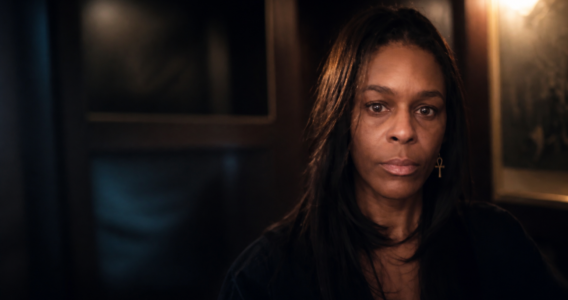
When I Sat With Pain
A poem and reflection on pain, grief, anger, trauma and the quiet strength of staying with yourself long enough to hear the truth: you were never the problem.
For a long time, strength can look like silence. It can look like carrying on, working harder, caring for others and making yourself useful while your own hurt waits unattended.
This piece is about the moment that pattern changes: when pain is no longer treated as an enemy or a personal failure, but as a messenger asking to be heard.
When I stopped running
I used to believe that strength meant silence. That if I kept moving, kept working, kept making myself useful, the pain would eventually lose interest in me. I thought I could outpace it with productivity, kindness, sacrifice and the endless rehearsal of what I should have done differently.
But pain buried alive does not die. It waits beneath the surface, speaking through the body when the mouth has been trained not to speak. It becomes nausea, exhaustion, the tightening in the chest: the body’s quiet refusal to carry what the spirit has been forced to deny.
So I stopped running. I sat with pain—not as an enemy, not as proof that I was broken, but as a messenger. I let it tell me where I had abandoned myself in order to survive. I let it show me the places where I had accepted blame simply because it was easier than accepting that people I loved had harmed me.
“I was never the problem.”
When I Sat With PainGrief, anger and trauma each spoke
Then grief came. Grief did not ask me to become smaller. It asked me to become tender. It showed me that the compassion I offered so freely to everyone else was not something I had to earn for myself. It was already mine.
I could mourn the home, the safety, the time, the children, the love and the versions of my life I had been trying to reach—without making my longing a shameful thing.
Then anger came. Not as destruction, but as truth. It stood at the boundary of what had happened and said: this was not right. This hurt mattered. You were not foolish for wanting fairness. You were not difficult for needing accountability. You were not wrong because you could no longer carry the consequences of other people’s choices as though they were evidence of your own failure.
And then trauma spoke. It did not tell me I was weak. It said: look at you. You are still here. After all the ways I was asked to disappear, to endure, to be grateful for less, to turn pain into virtue, I remained. Not untouched. Not unchanged. But still myself.
The problem was the harm
I learned that healing was not pretending the past had not happened. It was refusing to let it define the meaning of my life. It was recognising that the problem was never my capacity to love, to hope, to work or to endure.
The problem was the harm. The problem was the injustice. The problem was the lie that I had to suffer quietly in order to be good.
I do not have to punish myself for surviving imperfectly.
I do not have to explain every wound to people committed to misunderstanding it.
I do not have to keep proving that I deserved what I needed.
I can honour what happened without living inside it. I can name what was taken without becoming consumed by loss. I can grieve what I wanted without giving up on what is still possible.
When I Sat With Pain
I thought that if I swallowed every ache,
My heart would heal, my body would not break;
That silence was a virtue I must keep,
And pain, once buried, would remain asleep.
But buried pain does not lie still or die,
It finds a voice beneath the skin to cry;
It turns to nausea, weariness, and fear,
Until the truth is all that I can hear.
So I sat down beside my pain one day,
Not to defeat it, force it all away;
I asked it, softly, “What have you come to show?”
It said, “You were not made to carry this alone.”
Then grief arrived, with eyes too tired to hide,
And held the children living still inside;
It taught me love and mercy must extend
To my own soul, as freely as a friend.
Then anger came—not wild, not here to harm—
But like a bell, a warning and alarm;
It said, “This was unfair. Do not pretend.
You are not wrong because you need an end.”
And trauma came, a witness to the fight,
It whispered, “Look—you made it through the night.
They could not take the self you came here to be;
You are still here. You survived as you.”
I learned I need not hustle to be whole,
Or trade my peace to prove a worthy soul;
I need not say, “I should have known, or done,”
For every shadow blocking out the sun.
I can name theft without becoming blame,
I can hold truth and still release its claim;
I can see harm, and not become the scar,
I can forgive—and still remember who I am.
I am not anger; anger was the sign
That something crossed a sacred boundary line;
The problem was the problem, not my heart,
And seeing that became my healing start.
So now I let each feeling have its say,
Then take its lesson, and I walk away;
Not rushed, not broken, not afraid to feel—
I sit with what hurts, and that is how I heal.
Stay with yourself
I am not my anger. I am not my grief. I am not the harm that was done to me. I am the one who sat with all of it, listened, learned and stayed.
Now I move forward—not because the pain was nothing, but because it finally told me the truth: I was never the problem.
The problem is the problem.
You are still here.
You are allowed to heal.
Reflection question: If your pain could speak without being judged, what might it be trying to tell you about what you need, what you deserve or what boundary has been crossed?